Common Materials Used in Masonry Installation Projects
People seeking masonry installation often want durable materials like brick, stone, or concrete, and local contractors can help select and expertly install these common materials.
Understanding the common materials used in masonry installation projects can help property owners make informed decisions about their upcoming construction or renovation efforts. Whether it's building a sturdy foundation, creating decorative facades, or repairing existing structures, knowing the typical materials involved provides valuable insight into the process and helps ensure the work meets expectations. Local contractors experienced in masonry work are well-versed in these materials and can recommend the best options based on the specific needs of each project, offering practical guidance every step of the way.
For property owners in the area considering masonry work, exploring the different materials used can also shed light on durability, appearance, and maintenance requirements. Common materials such as brick, concrete, stone, and mortar each bring unique qualities to a project, influencing both the aesthetic and longevity of the finished structure. Connecting with local service providers who specialize in masonry installation ensures access to expertise in selecting and working with these materials, helping to bring a construction vision to life with confidence and clarity.
- Brickwork - homeowners planning to build or repair brick walls can rely on local contractors experienced with common materials used in masonry installation projects.
- Concrete block walls - businesses or property owners needing sturdy boundary walls or retaining structures often seek local pros skilled in working with concrete blocks.
- Natural stone installations - those designing aesthetic features such as fireplaces or facades frequently work with local service providers familiar with natural stone materials.
- Brick veneer - renovators and builders aiming to enhance building exteriors may contact local contractors experienced in applying brick veneer using common materials.
- Stone veneer siding - homeowners updating or adding decorative siding can connect with local pros who specialize in stone veneer installation with typical materials.
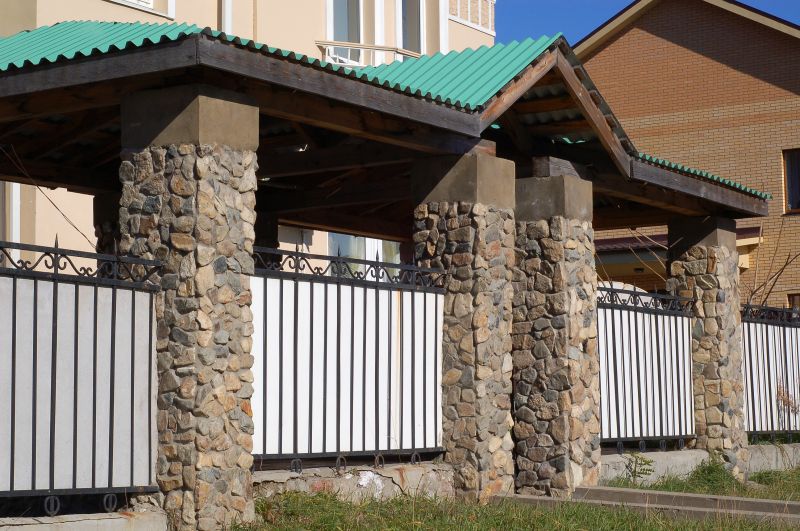
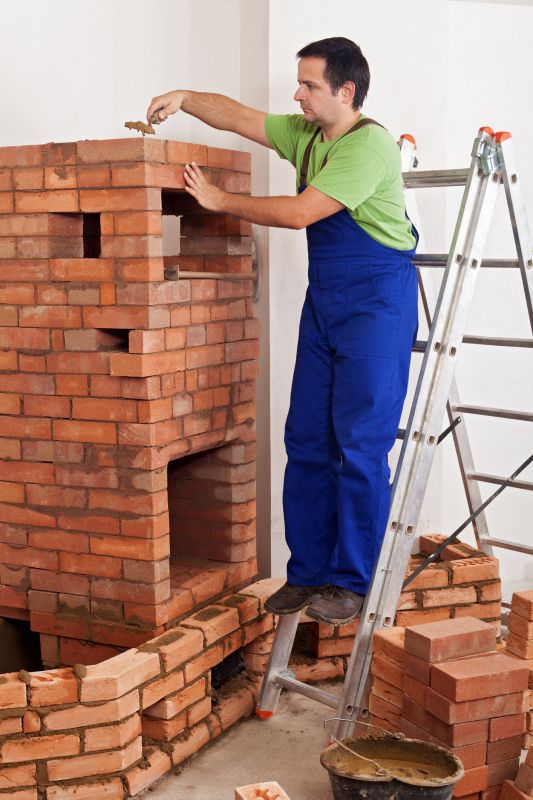
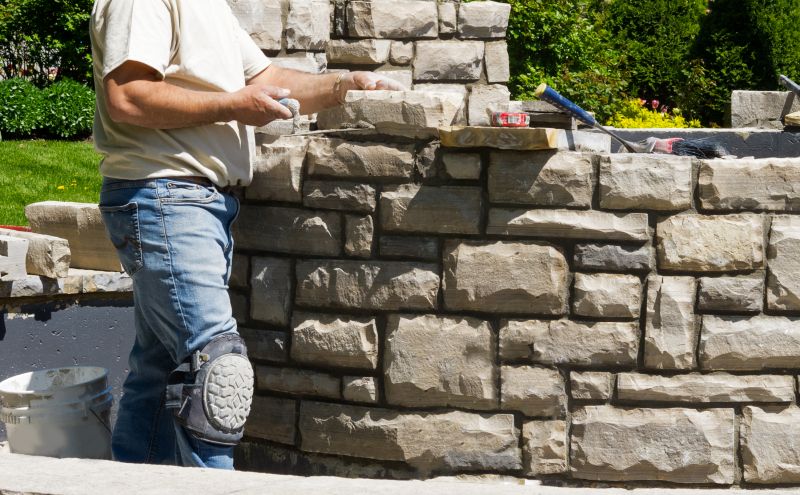
When searching for information about common materials used in masonry installation projects, homeowners are often looking to understand the types of substances that make up durable, long-lasting structures. This topic is frequently connected to plans for building or repairing features such as patios, walls, fireplaces, or walkways. People want to know which materials are best suited for their specific project needs, whether they prioritize strength, aesthetic appeal, or weather resistance. Understanding the materials involved helps homeowners make informed decisions when discussing their project with local contractors or service providers, ensuring that the final result aligns with their expectations and property requirements.
Masonry projects typically involve a variety of problems or goals, such as creating a sturdy boundary wall, restoring an aging chimney, or installing a decorative feature that enhances curb appeal. The choice of materials plays a key role in addressing these objectives because different substances offer unique qualities like load-bearing capacity, resistance to moisture, or visual texture. For instance, a homeowner planning a garden wall may need materials that withstand outdoor elements while maintaining an attractive appearance. Local masonry installation professionals can advise on the best options based on the project’s purpose, helping to select materials that meet both functional and aesthetic needs.
The types of properties that frequently come up in discussions about masonry materials include residential homes, commercial buildings, and public spaces. Residential properties often feature brick or stone facades, patios, and fireplaces, which require materials that complement the style and withstand local weather conditions. Commercial properties might involve larger-scale walls or decorative facades that demand durable, uniform materials like concrete blocks or precast panels. Public spaces, such as parks or plazas, often incorporate masonry elements designed for high traffic and exposure to the elements. Local contractors familiar with these property types can recommend appropriate materials that match the setting and usage, ensuring the longevity and visual harmony of the project.
Understanding the common materials used in masonry installation projects helps homeowners connect with the right local service providers for their needs. These professionals have experience working with a range of substances, including brick, stone, concrete blocks, and mortar, each suited to different applications. By choosing the right materials, homeowners can achieve results that are both functional and visually appealing, whether building a new feature or restoring an existing one. Collaborating with local pros ensures that the selected materials are installed correctly, enhancing the durability and appearance of the masonry work while fitting within the property’s specific context and requirements.
Bricklaying projects - these projects require similar skills in working with bricks, mortar, and precise placement, making them closely related to masonry installation work.
Stone veneer installations - installing stone veneers involves planning and handling materials like natural or manufactured stone, which aligns with masonry techniques and materials.
Concrete block wall construction - building walls with concrete blocks shares foundational skills in layout, mortar application, and material handling with masonry projects.
Fireplace and chimney building - these projects involve working with masonry materials such as bricks and mortar, requiring similar planning and craftsmanship.
Paving and walkway installation - laying pavers or stone pathways involves techniques and material knowledge that overlap with masonry installation skills.
Retaining wall construction - constructing retaining walls with various masonry materials demands expertise in planning, material selection, and mortar work, similar to masonry installation projects.
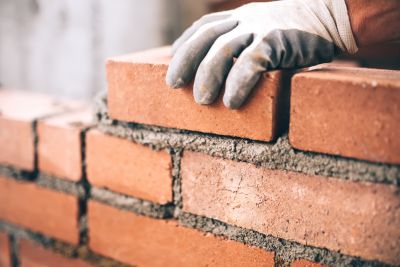
When evaluating masonry installation services, it is important to consider the experience of local contractors with similar projects involving common materials used in masonry installation projects. An experienced service provider will have a solid understanding of different materials such as brick, stone, concrete blocks, and mortar, and how these materials perform in various applications. Asking about previous work that involved comparable materials can help gauge their familiarity with the specific challenges and techniques required, ensuring the project is handled with expertise and attention to detail.
Clear, written expectations are essential when comparing local pros for masonry work. A reputable contractor will provide detailed descriptions of the scope of work, including the types of materials they plan to use, the methods for installation, and the quality standards they follow. Having this information in writing helps prevent misunderstandings and ensures that both parties are aligned on project goals. It also provides a record that can be referenced throughout the process, contributing to smoother communication and a more transparent working relationship.
Good communication and reputable references are key factors when selecting local contractors for masonry installation. Service providers who are responsive and willing to answer questions about their experience, materials, and previous projects demonstrate professionalism and a commitment to client satisfaction. Additionally, requesting references from past clients can offer insights into the contractor’s reliability, workmanship, and ability to manage projects involving common masonry materials. These elements help homeowners make informed decisions and find local pros capable of delivering quality results with clear communication throughout the project.
Property owners often search for common materials used in masonry installation projects when they are planning practical projects around their homes and businesses. Local pros provide Masonry Installation services for everyday jobs and straightforward project options.
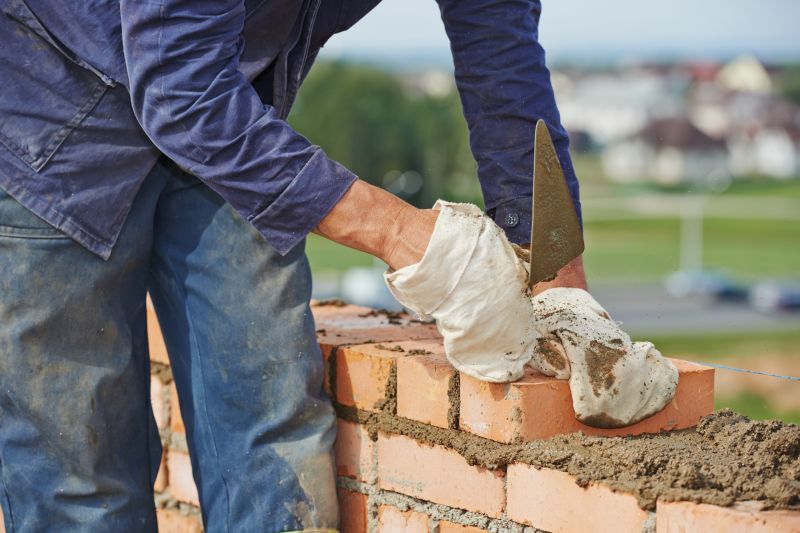
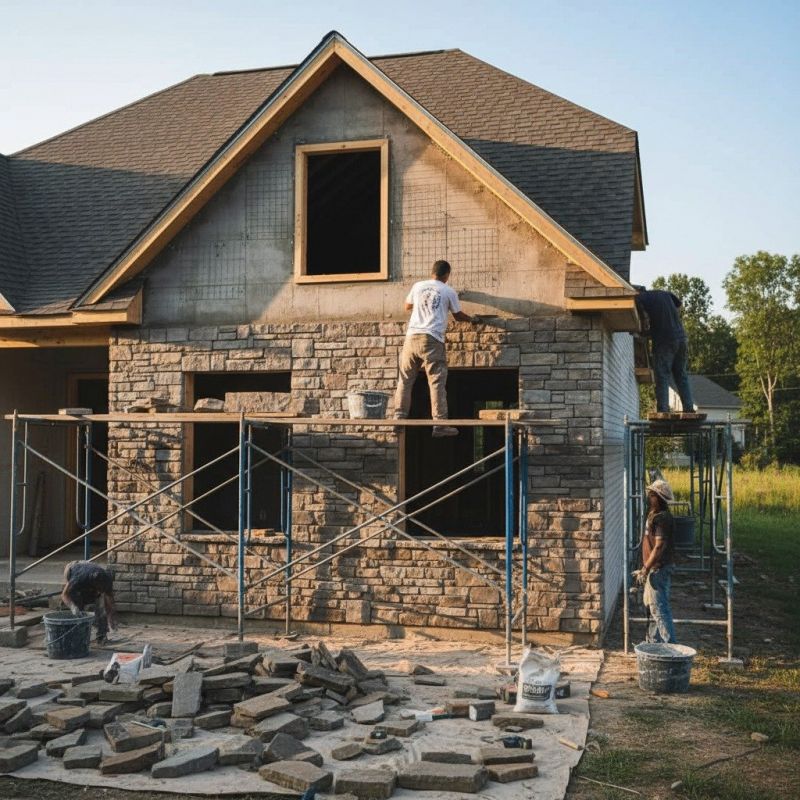
In many masonry installation projects around the area, property owners often encounter a variety of common materials that form the foundation of durable and attractive structures. These materials include bricks, concrete blocks, natural stone, and mortar, each chosen for their specific properties and suitability to the project's needs. Homeowners might look up this topic to better understand what their local contractors are working with or to decide which materials will best suit their aesthetic preferences and functional requirements for features like walls, patios, or walkways.
Understanding the typical materials used in masonry can help property owners make informed decisions when planning their projects. Local service providers are well-versed in these materials and can recommend the best options based on the project scope, climate considerations, and budget. Whether replacing an old brick wall or installing a new stone patio, connecting with experienced masonry installation professionals ensures the chosen materials are properly handled and installed for lasting results.
What are the common materials used in masonry installation projects? Typical materials include bricks, concrete blocks, natural stone, and mortar, which are essential for constructing durable masonry structures.
Why is mortar important in masonry projects? Mortar acts as a binding agent that holds masonry units like bricks and stones together, providing stability and overall strength to the structure.
Can natural stone be used in masonry installation? Yes, natural stone is frequently used for its aesthetic appeal and durability, and local contractors can help select and install the appropriate type for specific projects.
Are concrete blocks a common material for masonry walls? Concrete blocks are widely used due to their strength, affordability, and ease of installation, making them a popular choice among local masonry service providers.
What other materials might local contractors use in masonry installation? Additional materials can include decorative stones, brick veneers, and specialized mortars, depending on the design and functional requirements of the project.
Brick and concrete blocks - These durable materials are ideal for constructing walls and facades that require strength and longevity, with local contractors ready to help select and install the best options.
Mortar mixes - Proper mortar ensures stability and weather resistance in masonry projects, and experienced service providers can recommend suitable formulations for different applications.
Stone materials - Natural or manufactured stones add aesthetic appeal and structural integrity, with local pros capable of sourcing and installing various types for patios or retaining walls.
Reinforcement materials - Items like steel rebar or mesh provide additional support for masonry structures, and local contractors can incorporate these materials to enhance safety and durability.
If you are thinking about common materials used in masonry installation projects for a property, this guide is meant to help you understand this topic, the typical project types, and how different options might fit your plans.
When you are ready, you can use the quote form on this page to share a few details about your project. From there, local pros can review the basics and follow up with options that match what you have in mind.